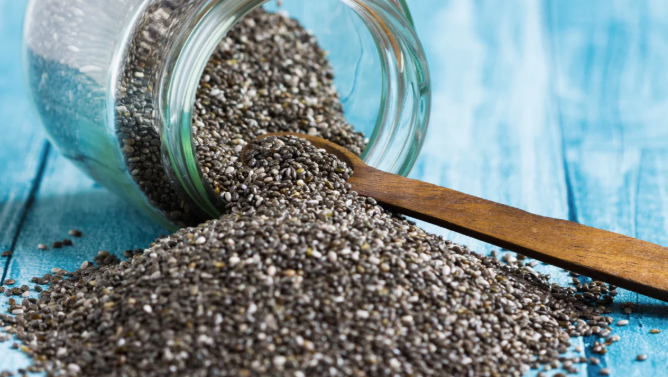
Chia seeds have been very popular for a long time now. However, many people still wonder why. These are the small seeds that come from the plant Salvia Hispancia, containing an abundance of vitamins. Along with that, they contain many health benefits for the human body.
In this article, the nutritional value of chia seeds is described in detail, along with their health benefits. Moreover, let’s discuss some healthy ways to use them within your daily routine.
What Are Chia Seeds?
Chia seeds are small, round seeds that originated in Mexico and Guatemala. “Chia” is a literal loan translation of the ancient Mayan word for “energy.”
Chia seeds were a staple food of most cultures for many thousand years and were greatly prized for having a wealth of nutrient content material.
Nutritional Profile of Chia Seeds
Chia seeds are tiny nutritional powerhouses. The following is the nutritional content of some of the major nutrients in a 28-gram (1-ounce) serving of chia seeds:
· Calories: 138
· Protein: four 7 grams
· Fat: eight.6 grams (which are packed with omega-three fatty acids)
· Carbohydrates: 12 grams
· Fiber: 10.6 grams
· Calcium: 18% of the Recommended Daily Value (DV)
· Iron: 12% of the DV
· Magnesium: 30% of the DV
· Phosphorus: 27% of the DV
· Zinc and Potassium: Amounts that are significant
Chia seeds are unique in that they can be rich in fibre and omega-three fatty acids. Their most unique feature, however, is the fact that they can absorb water and gelatinize so much that they are an excellent ingredient for so many dishes.
Benefits of Chia Seeds
1. Nutrient-dense
Coupled with vitamins, minerals, and antioxidants, chia seeds can supplement an otherwise balanced meal. Chia seeds will meet your daily nutritional requirements with fibre, healthy fats, and proteins.
2. Improves Heart Health
Chia seeds are rich in omega-three fatty acids, the cardiovascular wonder for which they are most famous. Omega-3s will battle inflammation, lower blood pressure, and raise levels of good cholesterol. Helping to boost the consumption of chia seeds can also help to direct normal cardiovascular function.
3. Helps digestion
With approximately 10 grams of fibre per ounce, chia seeds can also be used to lubricate your digestive system. Fiber relaxes the bowels and avoids constipation. Chia seeds also produce satiety which can be used to quiet hunger and other weight loss.
4. Has Blood Sugar-Regulating Properties
Other studies have proved that chia seeds can be used in a manner of regulate the blood sugar level. The fiber from the chia seeds is used to slow down the rate at which the body can absorb the blood sugar, thereby the removal of the blood sugar swing. It can be used on human beings with diabetes or even on people who are prone to having diabetes.
5. Packed with Antioxidants
Chia seeds are packed with antioxidants, and the antioxidants protect the body from free radicals that bring about oxidative stress. Chia seeds are, therefore, extremely useful in avoiding chronic disease as well as optimal wellness.
Easy Ways to Use Chia Seeds
Adding chia seeds to your diet is easy! A few easy, tasty recipes and how-to tips on using those healthy seeds are provided below:
1. Chia Seed Pudding
Probably the most popular application of chia seeds is making chia pudding. Here is a recipe:
Ingredients:
· 1 cup milk (dairy milk or plant milk blend)
· 1/four cup chia seeds
· 1-2 tablespoons sweetener (maple syrup or honey)
· 1 teaspoon vanilla extract
· Fresh fruits or nuts as topping
Instructions:
· Combine the milk, chia seeds, sweetener, and vanilla extract in a bowl or a jar.
· Blend them well so that they don’t have lumps.
· Cover and chill for at least 2 hours or overnight.
· Serve with sparkling fruit or nuts sprinkled on.
2. Add to Smoothies
Just add the chia seeds straight into smoothies for that nutritional kick. Add a tablespoon of chia seeds to your blender along with your preferred fruits and vegetables.
3. Sprinkle on Salads and Yogurt
Add them to salads or yogurt for a nutrition and crunch boost. They add some texture and nutrients to the dish.
4. Blend Them with Baking
Add chia seeds to cakes, truffles, pancakes, or bread. Add some tablespoons to your recipe as a substitute with fewer calories.
5. Make Chia Jam
Let healthy jam be the front-runner by being pre-prepared with chia seeds! Combine mashed fruit and chia seeds to produce a tasty spread that is rich in fibre and taste.
Outcome
Chia seeds are an excellent addition to any kind of healthy and nutritional diet. Due to the versatility of chia seeds, there is absolutely no issue whatsoever adding them to your food and snack food as a way to further improve the quality of food and snacks.
In case you need improved cardiovascular health, higher fiber intake, or just something different, then the chia seeds are a craved desire. Experiment and have all the goodness they have to offer. For more information, contact the chia seeds wholesale supplier at Flow Platform.
Chia Seeds FAQs
1. Can chia seeds be consumed on a daily basis?
Yes, it is all right to eat chia seeds daily. They are nutritious and full of good health benefits. All you need to be careful about is beginning with small amount quantities and then proceeding and increasing the quantity gradually over time, as their high-fibre content matter is too intense for some individuals.
2. What quantity of chia seeds should I eat daily?
An average dose is 1-2 tablespoons of chia seeds a day. That’s enough to feed nutritionally without being too fiber-full.
3. Do chia seeds have side effects?
Chia seeds are usually okay. Consuming too much of too much will also cause gastrointestinal side effects due to too much fibre content material. Have additional water with chia seeds as they absorb water and can get stuck in the belly.