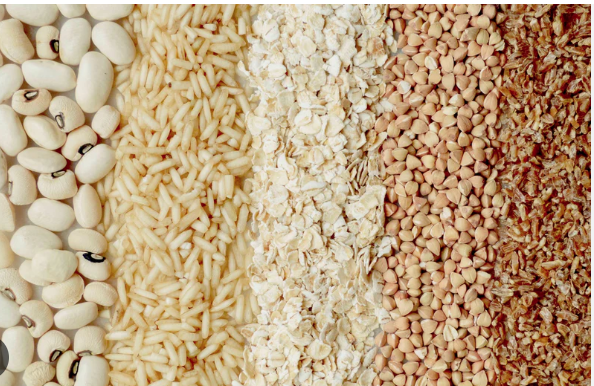
Grains are a significant component of the diet in all parts of the globe. Grains are grass family crop seeds cultivated to consume. They consist of fiber, vitamins, carbohydrates, and minerals, which are important for the body.
Grains are the seeds of grasses that are grown to get different types of food. The plants of grains are called cereals. Some of the examples include rice, oats, and wheat. Moreover, each grain, called kernel, consists of three parts that are bran, germ, and endosperm.
In this blog article, let’s discuss the types of grains, their benefits, and how you can incorporate these types into your diet.
Types of Grain Available to Consume
Grain foods are classified as:
1. Whole Grains
Whole grains include all the parts of the grain. Whole-grain flour is flour that is produced from whole grains. Brown rice, oatmeal and whole-grain breads are some examples of whole-grain food.
2. Refined Grains
Refined grains are stripped of the bran and germ. Refined grains are finer in texture and keep longer as food. This eliminates nearly all of the fiber and a great deal of the other nutrients. White rice and most white bread, pastries, cakes, and crackers are some examples of foods that contain refined grains.
3. Enriched Grains
The vitamins removed from the refined grains can be put back. The refined grains are those grains that have been refined, and they are called enriched grains. For example, when rice is refined, fiber, vitamins, and minerals are removed. Enriched white rice has the vitamins and minerals added back into the rice. Fiber is not put back into the enriched grains.
4. Fortified Grains
Foods may also include added nutrients that are not typically present in foods. Or food may get a boost in naturally occurring nutrients. Foods with added nutrients are known as fortified foods. For example, most breakfast cereals and breads are fortified with folic acid and iron.
The terms “enriched” and “fortified” are pretty much synonymous. The important thing is that whole grain is most healthy. “Enriched” and “fortified” suggest something good has been added.
Examples of Grains
Some examples of grains that you might already be familiar with include the following:
· Rice (white and brown)
· Wheat (refined and whole)
· Oats
· Barley
· Quinoa
· Corn
· Millet
· Rye
· Sorghum
· Buckwheat
What Are Grains Used For?
Grains are extremely versatile and used in many different ways:
Food:
As a primary ingredient in most food items like bread, pasta, and cereals.
Drinks:
During the production of beer and whiskey.
Animal Feed:
As the primary ingredient in animal diets.
Industrial Uses:
In biofuel and biodegradable manufacturing.
Benefits of Grains
Grains are good for:
Energy:
They provide much-needed carbohydrates that give the body energy.
Digestive Health:
Whole grains provide a high level of dietary fiber, which aids digestion.
Heart Health:
Consume whole grains to reduce the risk of heart disease.
Weight control:
Whole grain fiber may keep you feeling fuller longer, which helps you control your weight. If you want to know our story, then visit, and You can also see our new best-quality products.
How to Get Good Quality Grains?
Reading Food Labels
It is not always easy to know what kind of grain something contains. Bread may look like whole wheat if it is brown, for example. But it might be dyed with molasses or some other ingredient.
Ingredient lists will help you choose whole-grain foods. Label-reading tips are as follows:
· Ingredients on a food label are listed in descending order from the greatest to the least amount.
· The word “whole grain” has to be early on the ingredient list.
· If you’re using more than one whole grain, the grains have to be early on the list.
· If you get all your grains from whole grains, choose some whole-grain bread or breakfast cereals that are folic acid-enriched. Folic acid is a form of folate. Folate is very critical during pregnancy.
· If you buy foods containing refined grains, notice the words “enriched” and “fortified.”
· If you like white bread, try a whole-grain white bread. The flour is made from wheat with pale-colored bran with a less robust flavor and finer texture than regular whole-wheat flour.
How To Include More Whole Grains in Your Diet?
Use these tips to include more whole grains in your food and snacks:
· Eat breakfasts like whole-grain cereals like whole-wheat bran flakes, shredded wheat or oatmeal.
· Substitute plain bagels with whole-wheat toast or whole-grain bagels. Substitute pastries with low-fat, whole-grain muffins.
· Make sandwiches with whole-grain breads or rolls.
· Substitute white-flour tortillas with whole-wheat tortillas.
· Use whole-grain pasta.
· Substitute white rice with brown rice, wild rice, bulgur, barley or other grains.
· Use wild rice or barley in soups, stews, casseroles and salads.
· Mix cooked brown rice or whole-grain breadcrumbs with ground meat or chicken to provide bulk.
· Replace broken whole-wheat bran cereal or rolled oats with dried breadcrumbs in recipes.
· If you eat a combination of whole grains, you will be getting more health-building nutrients. A combination also makes meals and snacks more attractive.
Conclusion:
Grains form a key part of our diet, and they benefit our health with a range of advantages while also making cooking easy. There are different types of grains available in the market, which you can purchase for healthy meals.
Flow Platform is the place to go to check out our extensive selection of grains and other grocery items. Grains wholesale supplier offers the right quality and affordable price, shop online for grains and have them conveniently delivered directly to your doorstep!
We at Flow Platform provide superior quality grains in Pakistan, so that you can provide the best to your family. If you are looking for organic grains, whole grains, or whatever, we have all of them.
Grains are a significant component of the diet in all parts of the globe. Grains are grass family crop seeds cultivated to consume. They consist of fiber, vitamins, carbohydrates, and minerals, which are important for the body.
Grains are the seeds of grasses that are grown to get different types of food. The plants of grains are called cereals. Some of the examples include rice, oats, and wheat. Moreover, each grain, called kernel, consists of three parts that are bran, germ, and endosperm.
In this blog article, let’s discuss the types of grains, their benefits, and how you can incorporate these types into your diet.