
Description
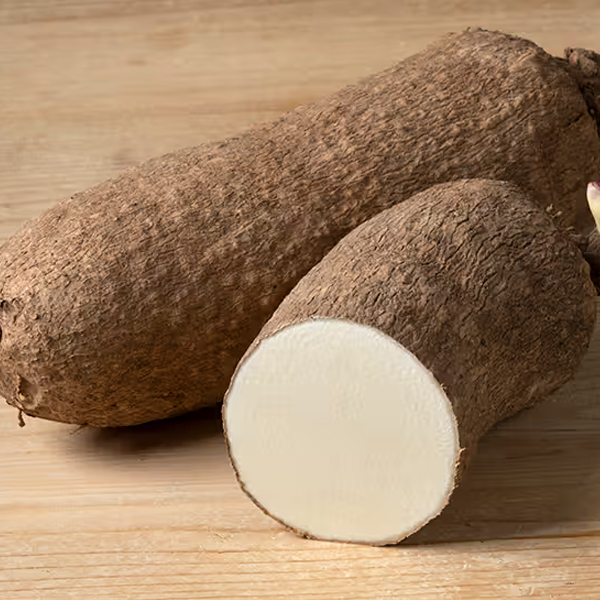
West African yams widely vary in size and shape, depending on cultivation techniques, climate, and terroir, and have a cylindrical nature tapering at both ends. Yams are inedible when raw and must be cooked before they are consumed. Once cooked, yams develop a texture similar to potatoes but have slightly more texture and substance. West African yams have a mild, earthy, and starchy flavor with a subtly sweet undertone.
West African yams are a source of fiber to regulate the digestive tract, potassium to balance fluid levels within the body, and vitamin C to strengthen the immune system while reducing inflammation. The tubers also provide magnesium to control optimal nerve functioning, folate to produce DNA and RNA, calcium to build strong bones and teeth, and other nutrients, including iron, copper, vitamin K, zinc, vitamin E, phosphorus, B vitamins, and manganese.
It is also important to note that yams are distinct from sweet potatoes, which are sometimes called yams in the United States. Once cooked, the flesh can be served with eggs, mixed vegetables, and meats. Beyond customary recipes, yams can sometimes be used as a potato substitute in recipes and can be fried, baked, or roasted. The flesh can also be dried, ground into a flour, and used as a binder and ingredient for baked goods.



Reviews
There are no reviews yet.